


Railroad Services

Additional Capabilities

Railroad Services

Additional Capabilities

Solving a Low-Clearance Challenge
Bookmark this page
Close

Engineering Innovation:

Solving a Low-Clearance Challenge

Amtrak was renovating their service and it involved replacing two platforms underneath a historic pavilion. Cranemasters had the equipment and the ingenuity for this unique engineering challenge.
Solving a Low-Clearance Challenge

Challenge:

Low-Clearance Challenge in Lancaster

The renovation involved replacing two platforms, each approximately 400 feet long. While the open sections of the platforms posed no unusual difficulties, the areas beneath the historic pavilion presented a unique engineering challenge:
  • Weight and Scale: Precast beams (13,000–20,000 lbs) and precast concrete panels (11,000–32,000 lbs) needed precise placement.
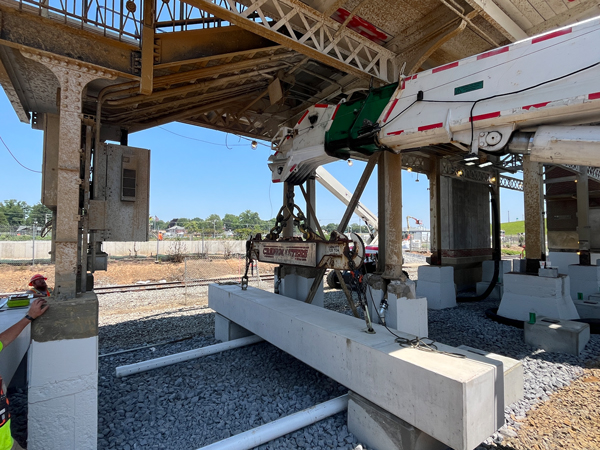
  • Historic Preservation: The pavilion’s canopy was too low for traditional crane operation, preventing direct overhead placement.
  • Two-Phase Project: Work needed to be completed first on the south platform (2024) and then on the north platform (2025), with strict adherence to Amtrak’s operational schedule.
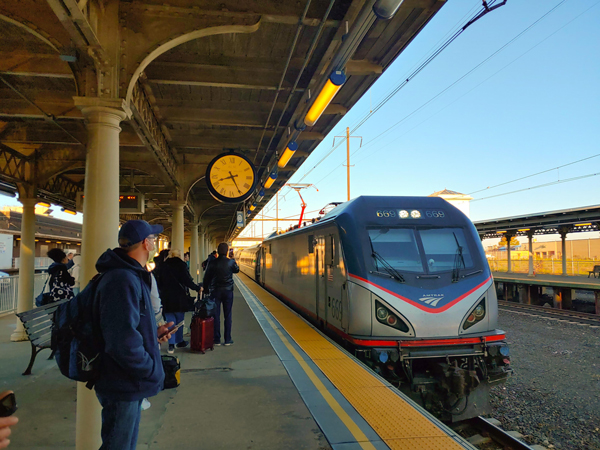
Train Platform

Lancaster Pavilion Job

Customer: Amtrak and Pennsylvania Department of Transportation (PennDOT)

Location: Lancaster, Pennsylvania (LNC Station)

Construction Lead: Wohlsen Construction Company

Specialized Partner: Cranemasters
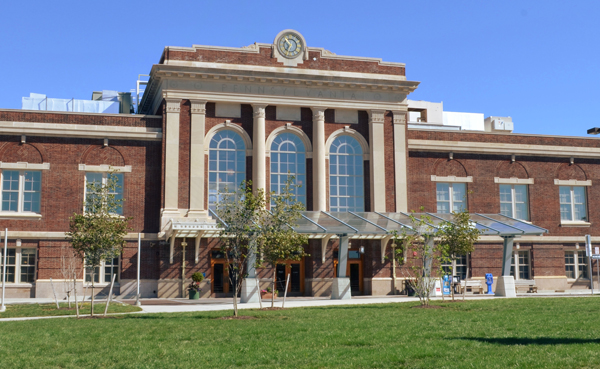
 

Lancaster Amtrak Station

Lancaster Station is the second-busiest Amtrak station in Pennsylvania and the 25th-busiest nationwide. Serving both the Keystone Service and the Pennsylvanian routes, the historic station plays a critical role in Amtrak’s national rail network. In 2024–2025, Amtrak and PennDOT initiated a multi-phase renovation project to replace platforms, rebuild foundations, and restore the station’s historic pavilion.

Wohlsen Construction led the renovation efforts, with Cranemasters engaged as a trusted subcontractor and preferred crane service provider.

Cranemasters’ Solution:

Devise Custom Equipment

Drawing on decades of innovation, Cranemasters engineered a custom solution to address the low-clearance challenge beneath the pavilion.

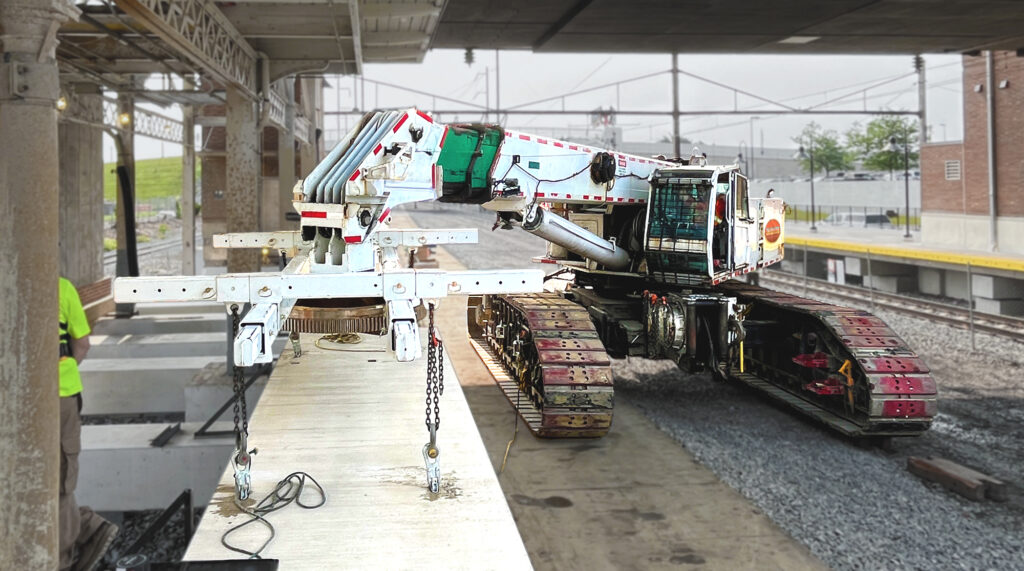
  • The Cranemasters 200 RS Super-Duty Crane: The crane’s Dynamic Envelope, coupled with full capacity pick and carry at a full 360 degrees of rotation, makes it the industry’s most efficient purpose-built crane in confined spaces.
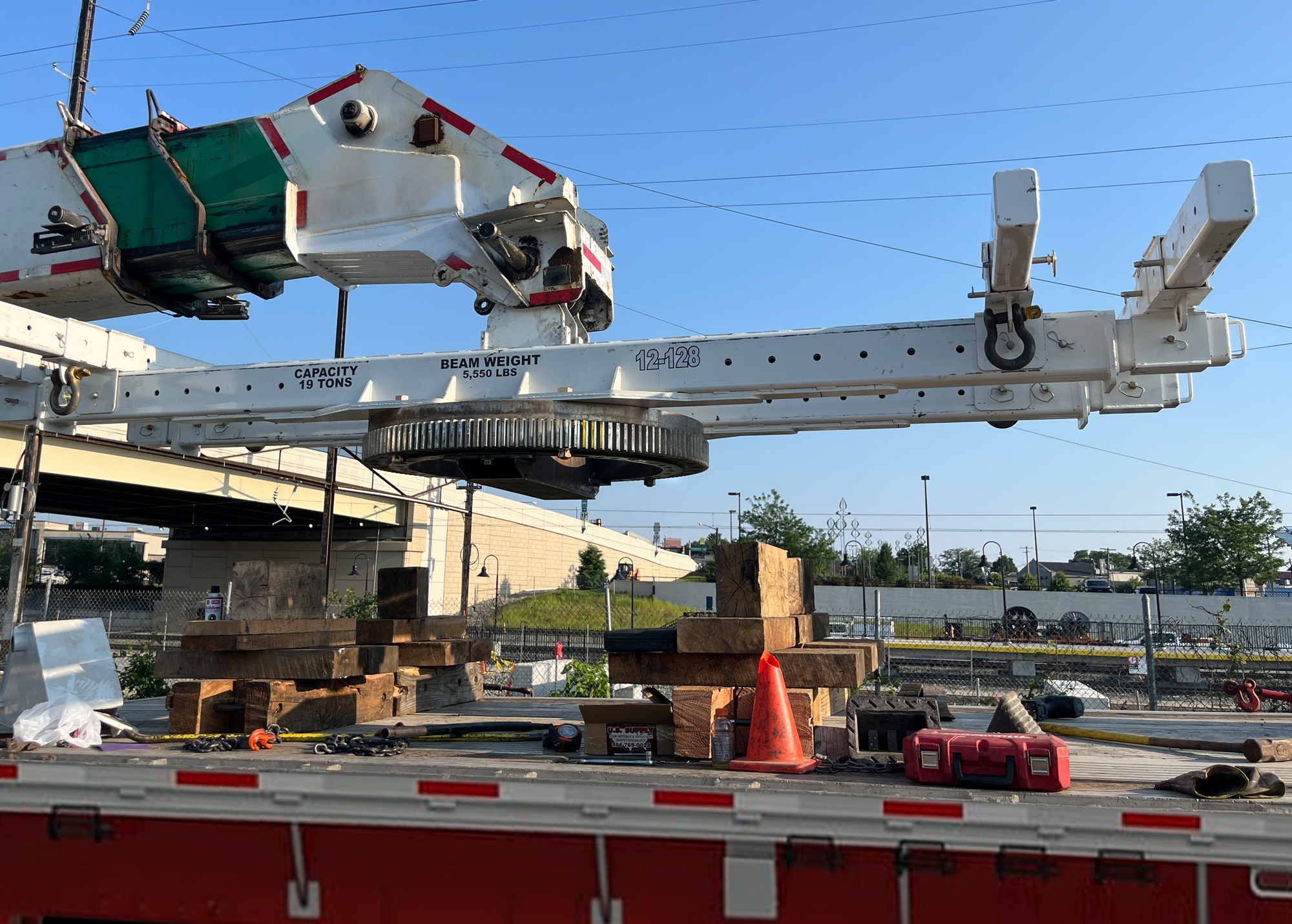
  • Repurposed Crane Bearing: A heavy-duty crane bearing, originally warehoused in Chesterfield, VA, was adapted for this project. The bearing enabled controlled, 360-degree rotation of heavy panels while maintaining full lifting capacity.
  • Custom Fabricated Frame: Cranemasters’ Engineering Team designed and built a steel frame with parallel and perpendicular beams. The frame is connected to the bearing and attached to the four pick points of each concrete panel, ensuring stability and
    precise maneuverability.
  • Accurate Positioning: While the 200 RS Super Duty crane provided lift and reach, ground crews used tag lines to swing panels manually into place beneath the pavilion canopy within fractions of an inch.

This innovative system allowed Cranemasters to place massive concrete panels with exact precision, despite the height restrictions imposed by the historic structure.
Result:

Historic Pavilion Preserved. Renovations Completed Flawlessly.

Precast beams (13,000–20,000 lbs) precisely placed under the canopy.
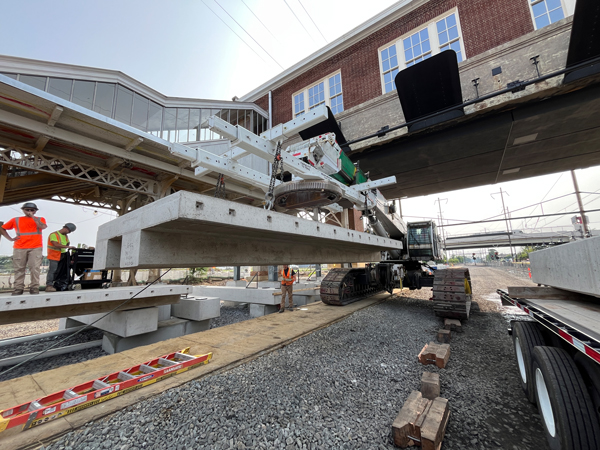
Precast beams (13,000–20,000 lbs) precisely placed under the canopy.

Precast concrete panels (11,000–32,000 lbs) lifted from semi trailers and positioned under the canopy.

  • Ahead of Schedule: South platform completed early in 2024, allowing Amtrak to accelerate the timeline for the north platform renovation in 2025. Both phases were completed within three weeks each, without incidents or delays.
  • Preservation Achieved: The historic pavilion canopy remained intact, while modern infrastructure improvements were successfully integrated.

Cranemasters once again demonstrated its reputation for solving unconventional heavy-lift challenges with engineering ingenuity.